How to Get Ready for a DUI Court Hearing in Texas
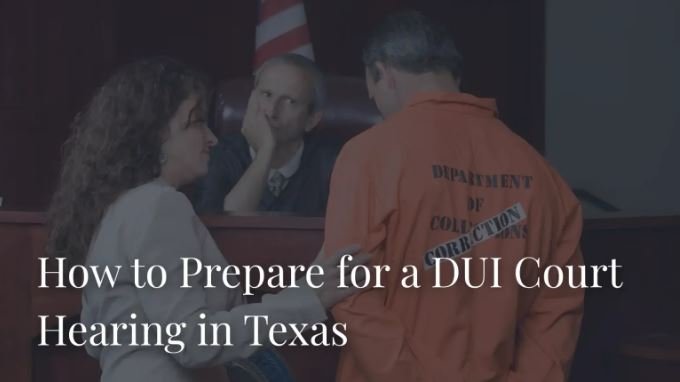
After a drunk driving incident, you will likely need to go to at least one court hearing, so it is important to know how to get ready for a DUI court hearing.
Being aware of what to anticipate and how to conduct yourself can greatly influence the result. These sessions are vital to your Dallas drunk driving case, making proper preparation necessary.
Here’s what you should understand and how to get ready for a DUI court hearing in Texas.
Know the Charges and Consequences You Are Facing
In Texas, "DWI," which stands for "driving while impaired," is the official term for drunk driving. Typically, DWI charges are brought after an officer stops you because they noticed you driving unsafely.
When you are stopped, they may conduct tests on your breath or blood to check for alcohol or other substances. Later, you should be prepared for a DUI court hearing, where this evidence could be very important.
If your blood alcohol concentration (BAC) reaches 0. 08 percent or more, you are considered too impaired to drive. However, even if your BAC is below this level, other evidence can still lead to a DWI charge.
In Texas, a first-time DWI is usually classified as a Class B misdemeanor. Penalties for a Class B misdemeanor in Texas can include up to six months in jail and a fine of up to $2,000.
A DWI conviction may also result in losing your driving privileges or being required to participate in alcohol counseling. Depending on your circumstances, you might also experience job loss, difficulties finding a home, or face social stigma due to your conviction.
Find a Skilled DUI Defense Lawyer
Don't risk the serious repercussions of a DWI conviction by going without a lawyer. Even if you believe you did nothing wrong, proving your innocence and steering clear of a conviction takes a lot of effort and careful preparation. A knowledgeable DUI defense lawyer can assist you by:
*Challenging the legitimacy of the traffic stop if the officer lacked a valid reason for stopping you
*Reviewing evidence for mistakes in police documents, recordings, and chemical test findings
*Submitting motions to exclude any evidence that was collected improperly or without following the right procedures
*Questioning the validity of tests by investigating potential errors in breathalyzer or blood testing techniques
*Finding and speaking to witnesses who can support your account
*Negotiating with the prosecution to lessen your charges or penalties when feasible
*Preparing you for court so you understand what to expect and how to behave during each hearing
*Developing a tailored defense that suits the specific details and situation of your case
*Safeguarding your Constitutional rights throughout each stage of the investigation and trial
Know what to anticipate during your initial hearing (arraignment)
The first court session you need to attend in a DUI case is your arraignment, which might be the only one, based on your particular situation. Here is what takes place in that session:
- Meeting with the judge. You will meet with a judge either in person or through video, typically just a few days after your arrest.
- Hearing the charges. The judge will announce the formal accusations that the prosecutors have brought against you.
- Reminder of your rights. The judge will inform you of your legal rights, such as your right to remain silent and to have legal counsel.
- Entering your plea. You will be asked to state whether you are guilty, not guilty, or no contest. Most individuals choose not guilty at this stage. It is important to consult with an attorney before admitting guilt, as there may be alternatives to lessen the negative consequences in your case.
- Discussing legal assistance. If you do not have a lawyer yet, the court will inquire if you intend to hire one or if you require a lawyer provided by the court.
- Setting bail terms. Depending on the prosecution's stance and the abilities of your lawyer, the judge may decide to review or modify the bail amount and establish conditions for your release.
- Arranging the next court appearance. The court will schedule upcoming hearings, like pretrial or trial proceedings.
- Addressing additional requirements. The judge might instruct you to install an ignition interlock device, refrain from consuming alcohol, or participate in alcohol counseling while your case is underway.
Prepare for Potential Outcomes
While it is not advisable to think only of negative scenarios in a DUI case, it is wise to consider all outcomes. This way, you can make well-informed choices and get ready for what lies ahead. Possible outcomes in a DUI case include:
Case Dismissal
If the evidence is insufficient or the State breached your rights, the judge might dismiss your case completely. A dismissal concludes your case without a conviction, but the arrest will still show on your record.
Not Guilty Judgment
If your case goes to trial and the jury decides you are not guilty, you will be cleared of the charges. This outcome carries no penalties or criminal record.
Guilty Judgment
A guilty judgment indicates that the court determined there was enough evidence to convict you. You will face sentencing after the trial is over, which could involve fines, jail time, or probation.
Plea for Negotiation
You might agree to plead guilty or no contest to a lesser offense. In return, you could avoid jail time or have your other penalties lessened.
Deferred Conviction
In some cases, the court may postpone a final conviction and assign you to a pretrial diversion program. This is more likely if it is your first DUI and you have little or no previous criminal record. If you successfully complete both probation and the diversion program, the court may dismiss your case without a conviction.
Deja un comentario